

Damaged Vehicle Appraisal Guide for Fair Cash Offers

A wrecked car in the driveway, a truck with a blown engine, or a flood-damaged SUV can feel like a money pit. This damaged vehicle appraisal guide explains what actually affects its value, what information a buyer needs, and how to avoid getting hit with a lowball offer after you have already agreed to a price.
The big mistake is assuming severe damage means your vehicle has no value. It may no longer make sense to repair it, but it can still have value in usable OEM parts, recyclable metal, major components, and overall vehicle weight. The right appraisal looks at the whole vehicle, not just whether it starts.
What a damaged-vehicle appraisal really measures
A damaged vehicle is not valued the same way as a clean, running used car. A traditional retail value can be useful for a repairable vehicle, but it does not tell the full story when the car is totaled, non-running, burned, rusted out, or missing major components.
A serious buyer usually evaluates the vehicle through one or more paths: repair and resale, parts recovery, or recycling and scrap processing. A late-model car with rear-end damage may have strong parts value. An older sedan with a seized engine may be valued more heavily by its metal weight and the condition of its catalytic converter, wheels, battery, and other recoverable parts.
That is why two vehicles with the same make and model can receive very different offers. Condition matters, but so do completeness, demand for parts, current metal prices, and the cost to tow the vehicle from where it is sitting.
Damaged Vehicle Appraisal Guide: The Factors That Set Value
The type and extent of damage
Be specific about the damage from the beginning. A cracked bumper is different from a bent frame. A dead battery is different from an engine that locked up. The more accurately you describe the vehicle, the more reliable the offer should be.
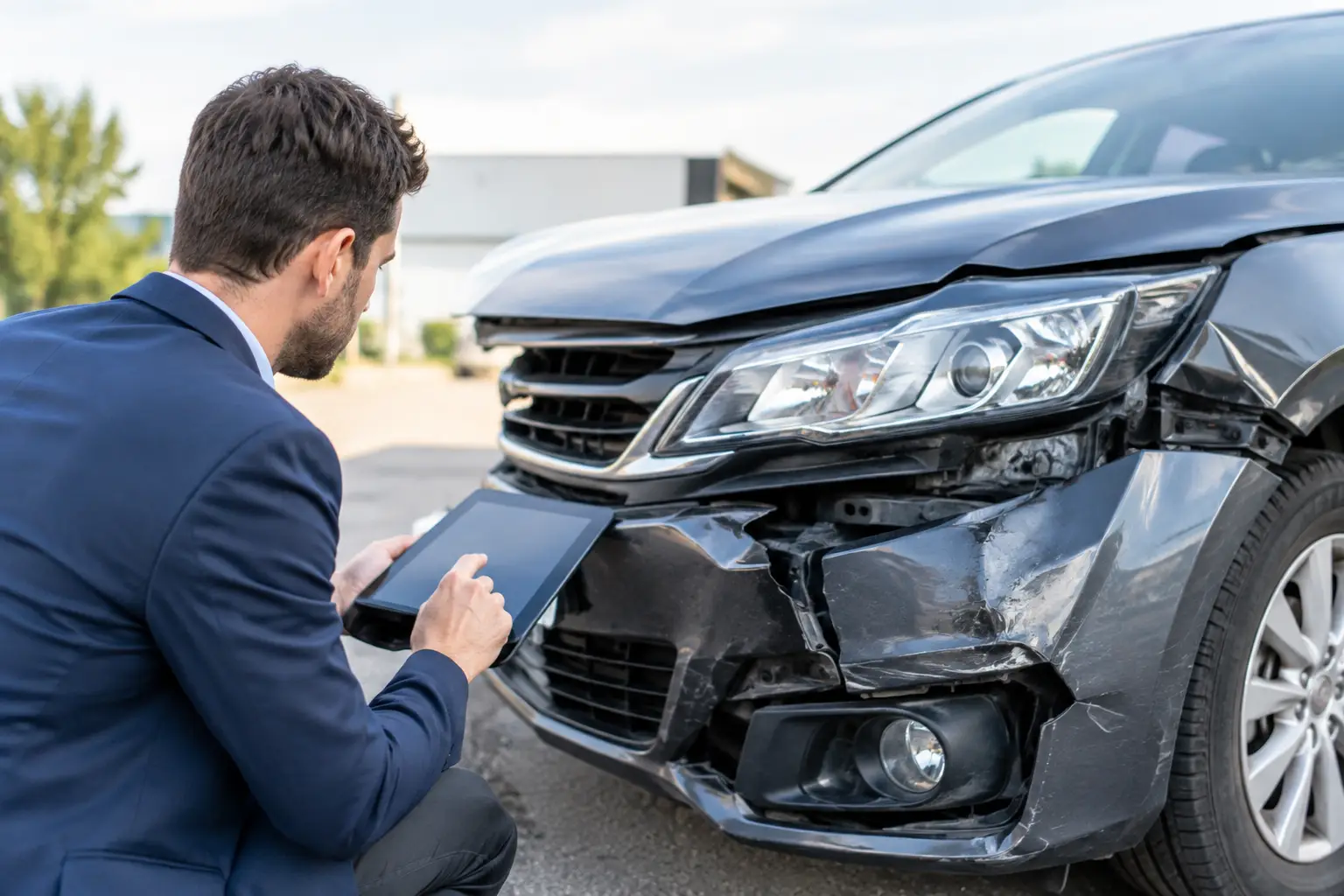
Accident damage is usually evaluated by location and severity. Damage limited to a door, fender, trunk lid, or bumper may leave many mechanical parts usable. Frame damage, deployed airbags, wheel or suspension damage, and crushed front ends can reduce repair potential, but they do not automatically eliminate parts or scrap value.
Flood damage changes the picture because water can affect wiring, computers, interiors, brakes, and mechanical systems long after the water is gone. Fire damage can be similar. Even then, metal, wheels, certain drivetrain components, and other materials may still carry value. Never hide flood, fire, or major collision history. It can cause an offer to change at pickup and slows down the entire sale.
Whether the vehicle is complete
A complete vehicle generally brings more than one that has been stripped. An engine, transmission, catalytic converter, battery, wheels, doors, seats, and factory electronics can all matter. OEM components are often worth more to parts buyers than cheap aftermarket replacements, especially on popular trucks, SUVs, and late-model cars.
Be honest if parts are missing. Tell the buyer if the catalytic converter has been removed, the motor is gone, the tires are flat, or the vehicle was partially dismantled. Accurate details protect your quoted price and keep the tow operator from arriving with the wrong equipment.
Vehicle weight, materials, and market demand
For scrap and recycling purchases, weight is a real part of the equation. Larger vehicles such as full-size pickups, vans, commercial trucks, semis, and heavy SUVs typically contain more steel and other recoverable materials than compact cars. Current scale prices can move, so a quote from months ago may not reflect today's market.
Weight is not the only factor. A lighter vehicle with a desirable transmission, clean body panels, or sought-after OEM parts may outperform a heavier car with extensive rust and missing components. This is why a buyer should ask more than just the year, make, and model.
Title, location, and access
Paperwork and pickup conditions matter more than many sellers expect. A clear title usually makes the transaction simpler. If there is a lien, missing title, estate issue, or another ownership question, explain it before scheduling pickup. Requirements can vary based on the vehicle and situation, so do not assume every title problem can be handled the same way.
Location also affects the appraisal. A vehicle parked in an open driveway is easier to retrieve than one boxed into a garage, sitting in a tight Brooklyn street, buried behind other cars, or stuck in mud. Non-running vehicles may require a winch, dollies, or a flatbed. A straightforward buyer explains any towing considerations upfront instead of surprising you with a charge later.
Prepare the vehicle before requesting offers
You do not need to repair a damaged car before selling it. In fact, spending money on a major repair just to sell the vehicle often does not pay back. What helps is giving complete, accurate information.
Have the vehicle identification number, year, make, model, mileage, title status, and a plain description of the damage ready. If you can, take clear photos of all sides, the interior, the odometer, and the damaged areas. Mention whether it starts, drives, rolls, steers, has keys, and has inflated tires.
Before pickup, remove your personal belongings. Check the glove box, center console, trunk, under the seats, and any work-storage compartments. Remove your plates only when appropriate for your situation, and keep any paperwork you need for your records.
For a smooth sale, gather these four items when available:
The vehicle title or ownership documents
A government-issued photo ID
Registration or prior vehicle records
Lien release paperwork, if a loan was previously paid off
Compare offers by the net amount, not the headline number
A high quote means nothing if it comes with surprise deductions. Some brokers advertise a big number, then reduce it when the truck arrives by claiming towing, paperwork, access, or condition issues that should have been discussed before pickup.
Ask whether towing is included, whether the payment amount is guaranteed based on the information you provided, and whether there are any fees for a non-running vehicle. Ask how and when you will be paid. If a company cannot give a straight answer, that is your answer.
Also confirm what documentation you receive. Selling a damaged vehicle should not leave you wondering whether it was properly transferred or disposed of. Keep your sale paperwork in a safe place after pickup.
A fair offer is not always the absolute highest number spoken over the phone. The best offer is the one that is clear, pays as promised, includes the required pickup service, and does not leave you chasing paperwork afterward.
Know when repair, private sale, or disposal makes sense
Sometimes repairing a damaged vehicle is worth considering. If the damage is minor, the vehicle is reliable otherwise, and you can repair it for substantially less than its post-repair value, keeping or selling it privately may make sense. A trade-in can also work for a newer, drivable vehicle with manageable cosmetic damage.
But the calculation changes fast when there is frame damage, a failed engine or transmission, flood exposure, multiple warning lights, expensive airbag work, or a repair bill that is close to or higher than the vehicle's real value. Private buyers may also be hard to find for a non-running car, and you may need to pay for a tow just to show it.
Donation can be an option for owners who prioritize supporting a cause, but compare the potential tax benefit with the cash you could receive and the paperwork involved. If fast removal, direct payment, and legal disposal are your priorities, selling to a qualified damaged-vehicle buyer is usually the more practical route.
What should happen on pickup day
Once the condition is confirmed, the pickup process should be simple. The driver checks the vehicle against the details provided, reviews the ownership paperwork, completes the necessary documentation, pays you, and loads the vehicle. If new damage or missing parts were not disclosed, the offer may reasonably need to be reviewed. If everything matches the description, there should be no games.
S.I. Cars For Cash buys damaged, totaled, non-running, flooded, and scrap vehicles across Staten Island, Brooklyn, and the tri-state area, with pickup and payment arranged around the vehicle's real condition. That is the standard to expect: a clear conversation before the truck arrives, not a negotiation on your curb.
Your damaged vehicle is not likely to become easier to sell by sitting another season. Get the facts, describe it honestly, compare the net offer, and choose a buyer that can remove it without turning a bad vehicle into a bigger headache. Call now and get fast cash for the vehicle you are done with.


Comments